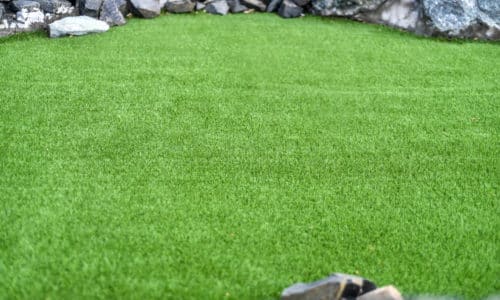
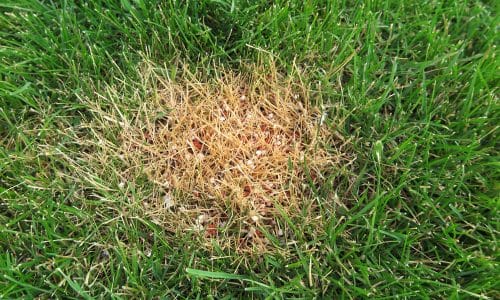
When you install Bermuda grass sod, you will prepare the soil, install the sod, and then water and care for your new sod to stimulate proper growth. Since Bermuda grass thrives in the hot weather conditions of New Orleans and golfers are always looking for tropical turf grass, Bermuda grass sod is replacing your current grass option.
Bermuda grass sod has a multimodal installation process; preparation, layout, installation, and watering and care all contribute to a magnificently appealing lawn. However, you can rely on us at TurnKey Grass when it comes to maximizing the installation process of Bermuda grass sod.
Should You Install Bermuda Grass Sod?
Bermuda grass sod provides a durable, intensively green lawn and is a very popular option for homeowners. It is important to determine if Bermuda grass sod is suitable for your property before installing.
Assessed Sun Exposure
Bermuda grass does best with full sun and typically requires 6 to 8 hours of direct sunlight per day. If your yard is shaded or cloudy because of large trees, you will notice a reduction in growth. In these instances, you may want to prune back your trees, remove them, or consider using a variety of sod that is tolerant to low shade, like fescue.
Evaluating Soil Type and Drainage
Bermuda grass prefers to grow in well-drained soils with a pH between 6.0 to 7.0. Testing your soil would be a good first step, as it will provide information regarding pH and nutrients. Sandy or loamy soils would be ideal, and heavy clay soils might require aeration or amendments. The soil has proper drainage if the moisture that remains at the surface is consistent and even after rain. If the area is puddled, then drainage is poor and likely creates an unhealthy environment for grass.
Consider Your Climate
Bermuda grass grows best during the season’s warmest months, typical for southern states, where the ideal range is from 75°F to 95°F. This species is drought-resistant but may require additional watering during hot, dry weather. If you live in a cooler climate, grow cold-tolerant hybrids of Bermuda grass.
Plan Your Bermuda Sod Installation
Proper planning is crucial for a successful Bermuda grass sod installation. Each step, from delivery to installation, contributes to a healthy lawn. Know the key planning phases.
Measure Your Lawn
Avoid assumptions regarding the dimensions of your yard; take simple shapes like rectangles or triangles and break the yard up into separate areas, measure the geometry of those areas, and then multiply the length by the width for the square footage. For example, if you have a rectangle that is 20′ by 15′, you will have 300 square feet of area (20′ x 15′ = 300 square feet). Simply add these quantities together to achieve a total area for the yard.
Choose and Schedule for Sod Delivery
Choose the type of Bermuda grass that will fit with the sunlight your lawn receives and the soil. Schedule delivery for the morning of the installation day because sod should be installed within 24 hours after it has been harvested. Any measurements for each shape should be forwarded to your supplier to obtain an accurate quantity for them to supply to you.
Gather Necessary Tools
Having some tools will make the job a bit easier. Utility knife for trimming rolls of sod, lawn roller, landscaping rake for a smooth surface, wheelbarrow to move rolls around, and gloves to protect your hands in the installation process.
Choose the Right Installation Day
Plan on installing it during the growing season for Bermuda, late spring and possibly early summer, and pick a day to do it when temperatures will not be heat stress on the new sod.
Prepare the Ground for Sod
Proper ground preparation and care of the subgrade are essential for successfully laying Bermuda grass sod. By preparing the ground well, we create the best conditions for the sod to thrive.
Clear the Area
Completely remove all existing plants, debris, and roots. You can use a sod cutter or shovel. If weeds are persistent, apply non-selective herbicides about a week before clearing. Once you are done clearing the area, rake to finish the surface if it is not clean.
Level the Soil
Smooth out any bumps and fill low spots with a landscaping rake. Rent a roller and lightly compact the soil to make sure it is firm. Do not compact too hard for rooting to occur. If coupling takes a desirable shape, you may have to rent some equipment to help.
Soil Amendments
Have your soil tested for pH and nutrients to make sure it is between 5.5 and 7.0 for Bermuda grass. Buy lime/sulfur if necessary to make the soil chemicals desirable. Apply organic material to improve the soil quality in your now-cleared area.
Drainage
To avoid standing water, grade the area with a gentle slope away from buildings. If the area collects water or drains poorly, install French drains and/or drywall.
Laying Your Bermuda Grass Sod
Here’s how to install your Bermuda grass sod for a healthy lawn. Following these steps will help your sod establish well and thrive for years.
Start Along a Straight Edge: Lay sod starting from the longest straight edge of the lawn (i.e., driveway or fence). This way, your starting point remains straight and will minimize gaps between sod pieces. In larger areas, use a string line to keep the rows straight.
Lay Sod in a Staggered Pattern: To promote stability and disguise seams, lay sod in a brick pattern. This will improve coverage and help minimize soil erosion.
Make Sure to Keep Seams Tight and no Overlapping: Use your hand to press each strip of sod against the previous strip firmly to ensure there are no seams that would allow weeds to grow. Overlapping pieces will create a raised seam, so don’t overlap pieces and keep them tight.
Cutting Sod for Curves and Edges: Trim the sod with a sharp utility knife to follow along the edges of flower beds and walkways to fit tightly.
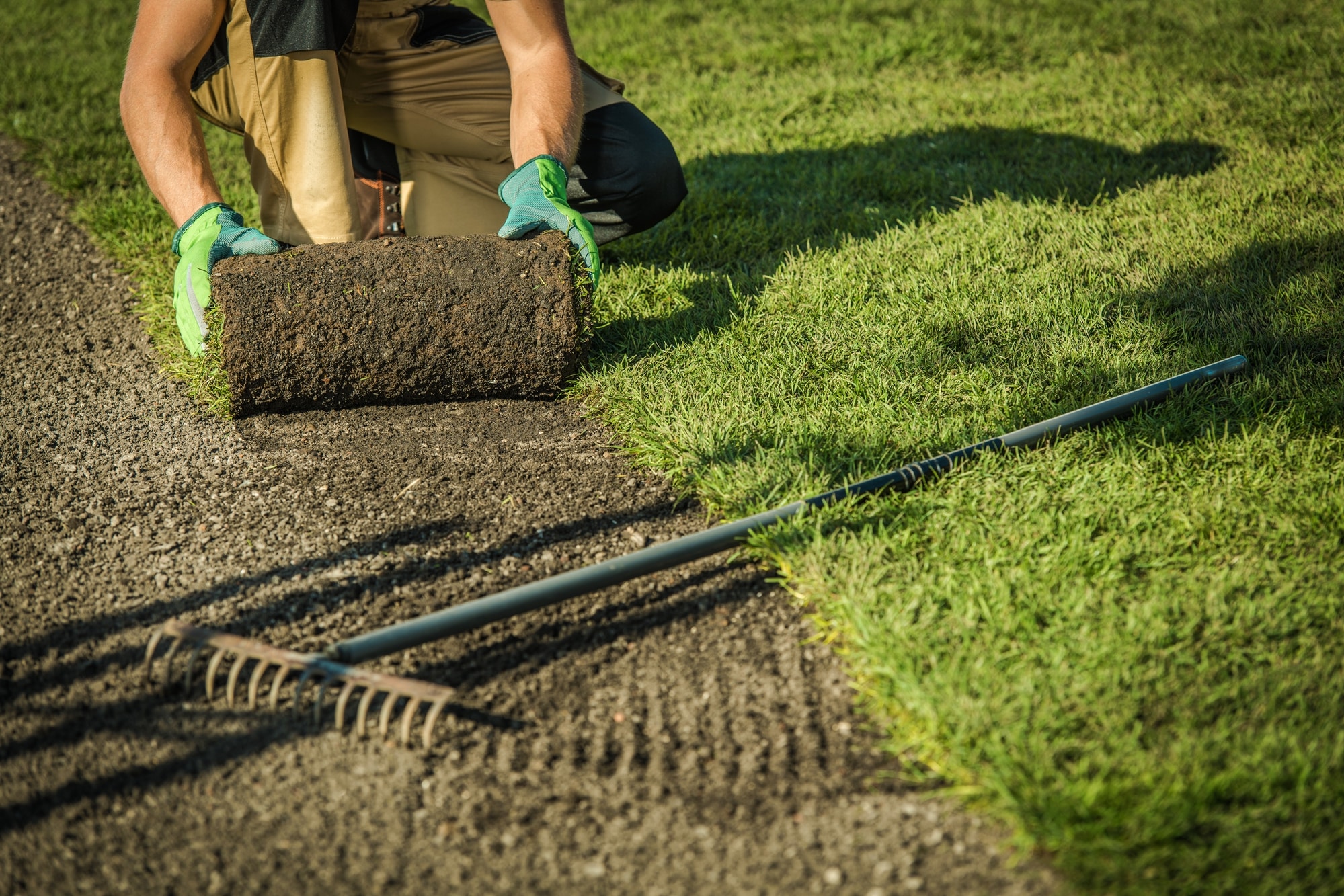
Roll the Sod: After you have the sod in place, take a lawn roller filled with water and roll the sod down to compact it down to the soil. This step will help ensure the roots quickly make contact with the soil, establishing faster and reducing air pockets
Post-Installation Maintenance
Once you have sod for new Bermuda grass put down, the maintenance after installation is essential for strong root establishment and for the long-term health of your lawn. This is a critical time for the sod roots to adapt to the current soil profile and develop a strong base.
Set Your Watering Schedule
After you have installed sod for new Bermuda grass, proper maintenance is critical to develop root establishment and the health of your lawn. In the first two weeks, water daily for 20–30 minutes each morning, helping the roots to settle into the soil, before reducing to about 1 inch per week, which is typically split into 2-3 watering sessions. Pay attention to how much it rains to develop a watering plan, sometimes reducing or holding off completely due to the fungus risk from overwatering.
Establish a Watering Schedule
After installing your Bermuda grass sod, proper maintenance is crucial for root establishment and lawn health. During the first two weeks, water daily for 20–30 minutes each morning to help the roots settle into the soil, then reduce watering to about 1 inch per week, divided into two to three sessions. Watch for rain to avoid overwatering, which can lead to fungus.
Fertilize for Healthy Growth
Fertilizing is also important; use a starter fertilizer high in phosphorus at installation to support root growth, then switch to a balanced nitrogen fertilizer after three to four weeks.
Mow at the Correct Height
Mow your grass when it’s rooted, usually after two to three weeks, keeping the mower set at 1.5–2 inches. Sharp blades prevent damage and disease, while regular mowing encourages a lush lawn.
Install Your Bermuda Grass Properly With Our Assistance
By following these steps and caring for your new sod, you’ll create a vibrant lawn that thrives in New Orleans’ climate. We’re here to help make the process easy—contact us today for expert guidance and support!





 TurnKey Grass
  Avoid assumptions regarding the dimensions of your yard; take simple shapes like rectangles or triangles and break the yard up into separate areas, measure the geometry of those areas, and then multiply the length by the width for the square footage. For example, if you have a rectangle that is 20′ by 15′, you will have 300 square feet of area (20′ x 15′ = 300 square feet). Simply add these quantities together to achieve a total area for the yard.